Rebuilding a relationship after betrayal is never easy. When trust is broken, couples often feel lost, hurt, and unsure how to move forward. Learning to rebuild trust in a relationship requires patience, commitment, and honest effort from both partners. The journey involves confronting emotional pain after betrayal, practicing honesty and transparency, and engaging in consistent, meaningful actions that demonstrate reliability.
Rebuilding emotional safety takes time, as small gestures and open communication gradually restore confidence. By dedicating themselves to this process, couples can begin restoring trust in a marriage, heal old wounds, and create a stronger, more resilient bond built on love, understanding, and mutual respect.
Understanding Betrayal and Broken Trust
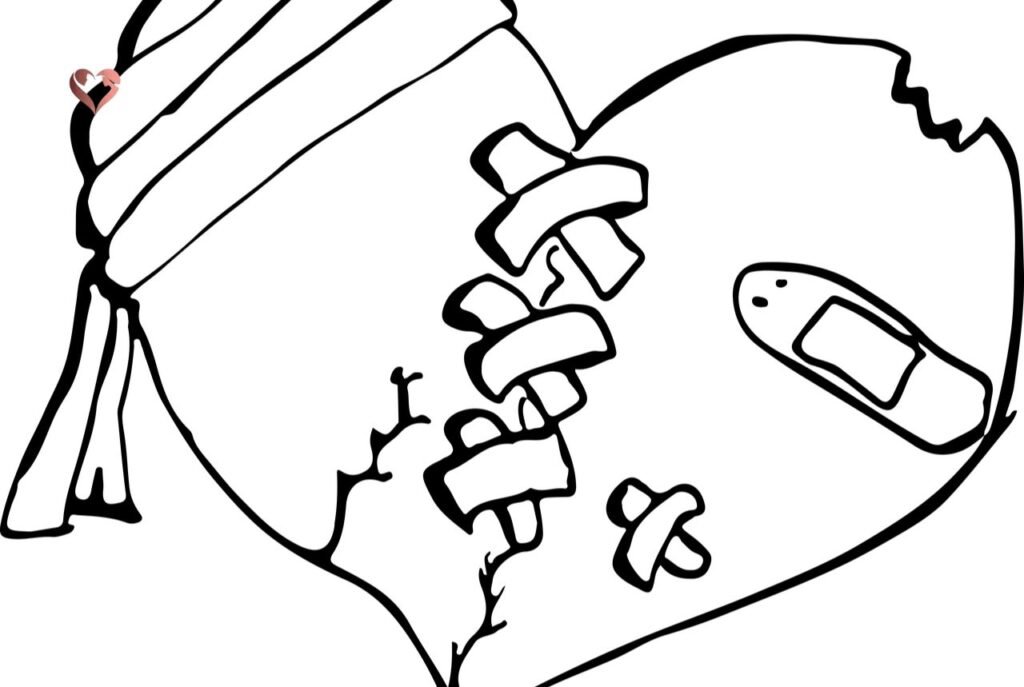
Betrayal damages more than feelings. It disrupts the foundation of trust that keeps relationships emotionally safe. Whether caused by lies, secrecy, or infidelity, broken trust in marriage creates fear, doubt, and emotional withdrawal. You may question everything your partner says or does. Safety disappears, replaced by constant uncertainty.
This emotional pain after betrayal often shows up as anxiety, anger, or numbness. Many couples experience disrupted sleep, emotional distance, and constant tension. Trust in relationships suffers because emotional safety collapses. Understanding this damage matters because overcoming relationship betrayal requires healing emotional wounds before rebuilding closeness.
Why Rebuilding Trust Takes Time and Patience

Trust doesn’t return instantly. Rebuilding trust takes time because emotional security grows slowly through repeated proof. One apology cannot undo months or years of harm. The brain needs consistency before it relaxes again.
The trust rebuilding process works through steady actions, not grand gestures. Each honest conversation rebuilds confidence. Each reliable behavior restores balance. This gradual pace supports long-term marriage healing and prevents repeated emotional injury. Patience becomes the bridge between pain and stability.
Taking Responsibility and Accountability

Healing begins when responsibility replaces defensiveness. Admission of wrongdoing signals sincerity and respect. Without it, resentment deepens. True accountability includes changed behavior, emotional awareness, and willingness to listen.
Accountability in marriage builds safety because it restores predictability. When actions align with words, confidence and trustworthiness return. This stage supports rebuilding trust after wrongdoing and helps couples move forward without denial or blame.
Honest and Constructive Communication

Trust thrives on clarity. Honesty and transparency remove confusion and calm fear. Healthy dialogue creates emotional order where chaos once lived. Avoiding truth delays healing.
Constructive communication strengthens trust and communication by respecting boundaries and emotions. Speaking openly while listening fully rebuilds emotional openness and supports emotional repair. Communication becomes the tool that transforms pain into understanding.
How to Be Vulnerable Again Without Fear

Opening your heart again after betrayal is scary. Vulnerability in relationships feels risky, but it is essential for reconnecting. Fear of being hurt can block rebuilding trust in a relationship, yet stepping carefully into openness allows emotional healing to begin. Emotional honesty and shared feelings strengthen intimacy and create a secure emotional bond.
Slowly revealing thoughts and emotions rebuilds rebuilding emotional safety. Vulnerability lets both partners see each other clearly, without assumptions or walls. As emotional openness grows, the relationship healing journey deepens, allowing couples to regain trust after betrayal and create meaningful connection again.
Consistency, Actions, and Keeping Promises

Words alone cannot heal broken trust. Consistency over time matters most. Following through on commitments demonstrates reliability in relationships. Partners feel safe when actions match promises. Over time, confidence and trustworthiness are restored.
Keeping no secrets and fulfilling promises are vital. Rebuilding trust after lying or infidelity requires repeated, honest actions. Small gestures, like being on time or communicating clearly, reinforce trust rebuilding process. Consistency proves that trust must be earned and forms a foundation of trust that strengthens long-term marriage healing.
Forgiveness vs Forgetting: What Really Matters

Forgiveness is not forgetting. Granting forgiveness creates emotional freedom without excusing wrongdoing. Couples learn to release resentment while maintaining healthy boundaries. Forgiveness and healing allow partners to rebuild intimacy without reopening old wounds.
Focusing on trust and forgiveness in relationships restores connection. Emotional transparency and rebuilding emotional safety make forgiveness meaningful. Forgetting isn’t necessary; acknowledging lessons while moving forward strengthens the trust rebuilding process. Healing is about safety, clarity, and shared commitment to growth.
Don’t Ignore Small Issues While Healing
Minor problems can quietly sabotage recovery. Broken trust recovery is fragile, and even small dishonesty or avoidance can reopen emotional wounds. Couples must address relationship trust dynamics continuously.
Consistent attention to details—like emotional honesty, keeping promises, and daily communication—prevents setbacks. Overlooking small issues undermines rebuilding intimacy and emotional safety. Trust and communication remain strong when everyday actions are intentional, fostering secure emotional bonds that endure after betrayal. How to make the long distance relationship work.
When and Why to Seek Couples Counseling

Sometimes, rebuilding trust requires professional guidance. Marriage counseling after affair or couples therapy for trust issues provides tools to restore emotional safety in relationships. A neutral third party helps address miscommunication, lingering anger, and resentment that may block restoring trust in a marriage.
Therapists can guide couples through relationship repair after betrayal, helping them practice constructive communication and emotional honesty in marriage. Counseling accelerates healing after infidelity and supports rebuilding trust after mistakes, ensuring the trust rebuilding process is consistent, safe, and effective.
Signs That Trust Is Being Rebuilt Successfully

Progress is visible when actions consistently match words. Confidence and trustworthiness return, and emotional openness grows. Couples feel safe sharing thoughts, emotions, and vulnerabilities. Rebuilding trust after emotional affair or secrecy leads to deeper emotional intimacy and a secure emotional bond.
Other signs include restored relationship stability, improved healthy relationship foundation, and renewed rebuilding intimacy. When laughter, comfort, and mutual respect reappear, it confirms the trust in relationships is recovering. These signs indicate that restoring trust after betrayal is on track, and the couple is moving toward long-term marriage healing. learn more.
Conclusion
Rebuilding trust in a relationship after betrayal is a journey, not a sprint. It requires honesty and transparency, consistency over time, and vulnerability in relationships. Healing demands accountability, emotional openness, and practical action. By focusing on trust rebuilding process, couples can repair broken trust in marriage, regain intimacy, and rebuild emotional safety in relationships.
While the process is challenging, the payoff is immense: a resilient partnership with renewed connection, understanding, and love. Using marriage counseling after affair, practicing constructive communication, and prioritizing forgiveness create a pathway to relationship healing journey. With patience, effort, and mutual commitment, couples can overcome betrayal, rebuild trust, and strengthen their foundation of trust for the long term.
FAQs
Can trust ever be rebuilt in a relationship?
Yes, trust can be rebuilt with consistent honesty, accountability, patience, and open communication from both partners.
What is the 7 7 7 rule in relationships?
The 7-7-7 rule suggests giving a partner 7 minutes of focused attention, 7 compliments, and 7 acts of kindness daily to strengthen the bond.
What is the 3-3-3 rule in a relationship?
The 3-3-3 rule encourages taking 3 deep breaths, thinking of 3 positives, and discussing 3 topics daily to improve emotional connection.
How to fix betrayal in a relationship?
Acknowledge wrongdoing, practice forgiveness, rebuild emotional safety, communicate openly, and demonstrate consistent trustworthy behavior.
What is the 80 20 rule in infidelity?
The 80/20 rule in infidelity means 80% of a partner’s emotional energy is with their spouse, while 20% may be at risk for temptation, emphasizing focus on the primary relationship.